
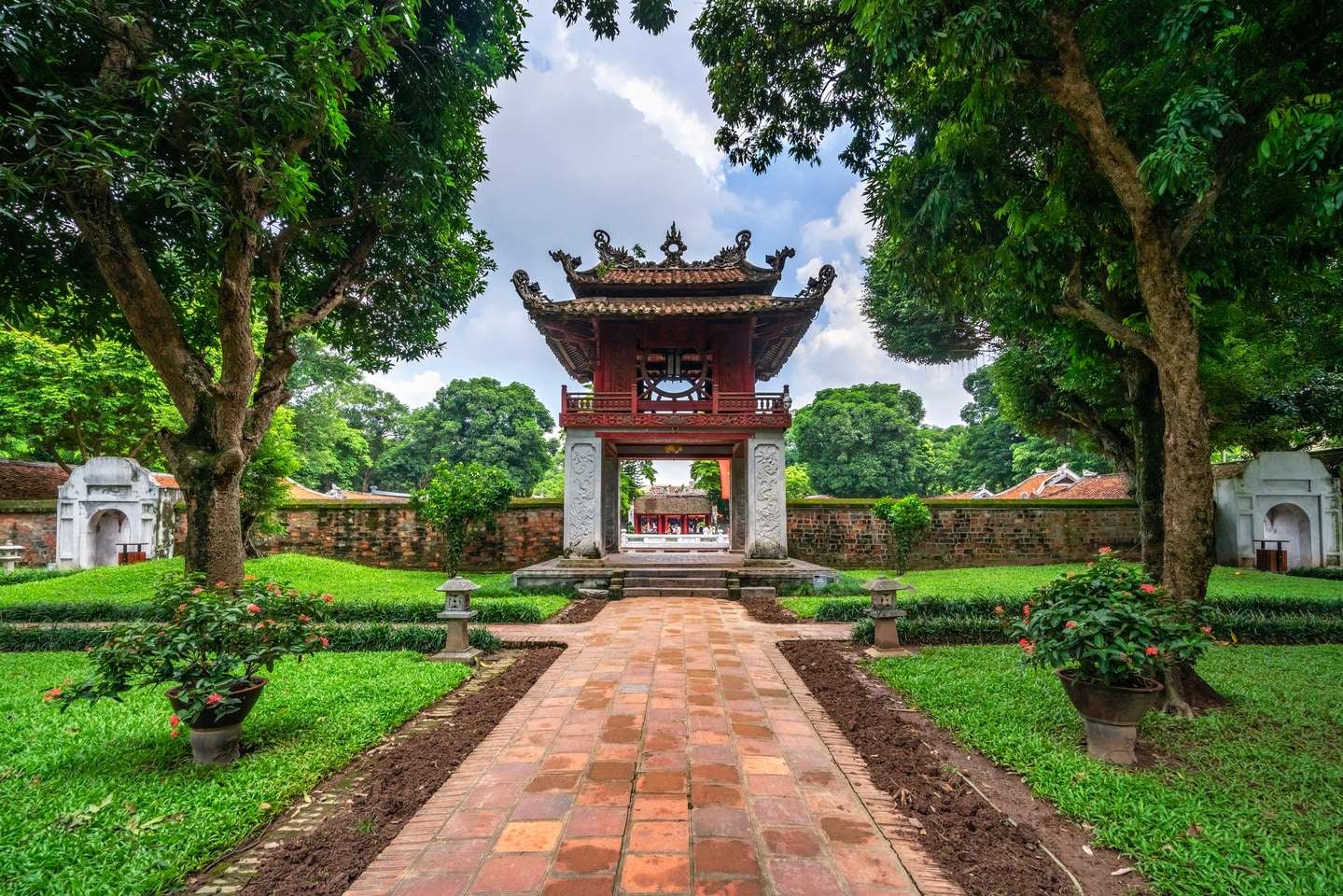
If you're searching for the most meaningful historical attractions in Hanoi, the Temple of Literature should be at the top of your list.
Known locally as Van Mieu – Quoc Tu Giam, this remarkable complex is more than just a beautiful temple. It is the birthplace of higher education in Vietnam and one of the country's most important cultural landmarks.
Founded nearly 1,000 years ago, the Temple of Literature continues to inspire visitors with its peaceful gardens, ancient architecture, and enduring spirit of learning.
Whether you're a history lover, a culture enthusiast, or simply looking for one of the best things to do in Hanoi, this iconic destination offers a fascinating journey into Vietnam's past.
Why Visit the Temple of Literature?
Unlike many temples in Southeast Asia that focus primarily on religion, the Temple of Literature celebrates education, wisdom, and scholarship.
For centuries, this was where Vietnam's brightest minds studied, trained, and prepared for the imperial examinations that determined their future careers.
Today, it remains a symbol of academic excellence and is especially popular among Vietnamese students who visit before important exams to pray for success.
Visitors come here not only to admire the architecture but also to gain a deeper understanding of Vietnam's intellectual and cultural heritage.
The History of the Temple of Literature
The Temple of Literature was founded in 1070 during the Ly Dynasty by Emperor Ly Thanh Tong.
Originally built to honor Confucius and prominent scholars, it soon became home to the Imperial Academy, Vietnam's first national university.
For hundreds of years, talented students from across the country traveled to Hanoi to study here and prepare for the royal examinations.
The institution played a crucial role in shaping Vietnam's educated elite and contributed significantly to the country's development throughout the feudal period.
Today, the Temple of Literature stands as one of the best-preserved examples of traditional Vietnamese architecture and remains a source of national pride.
Top Things to See at the Temple of Literature
1. The Great Gate
Your visit begins at the impressive main entrance, known as the Great Gate.
As soon as you pass through, the busy streets of Hanoi seem to disappear behind you. Ancient trees, peaceful pathways, and traditional architecture create a calm atmosphere that feels worlds away from the city's traffic.
This first courtyard provides the perfect introduction to the site and offers excellent photo opportunities.
2. Khue Van Cac Pavilion
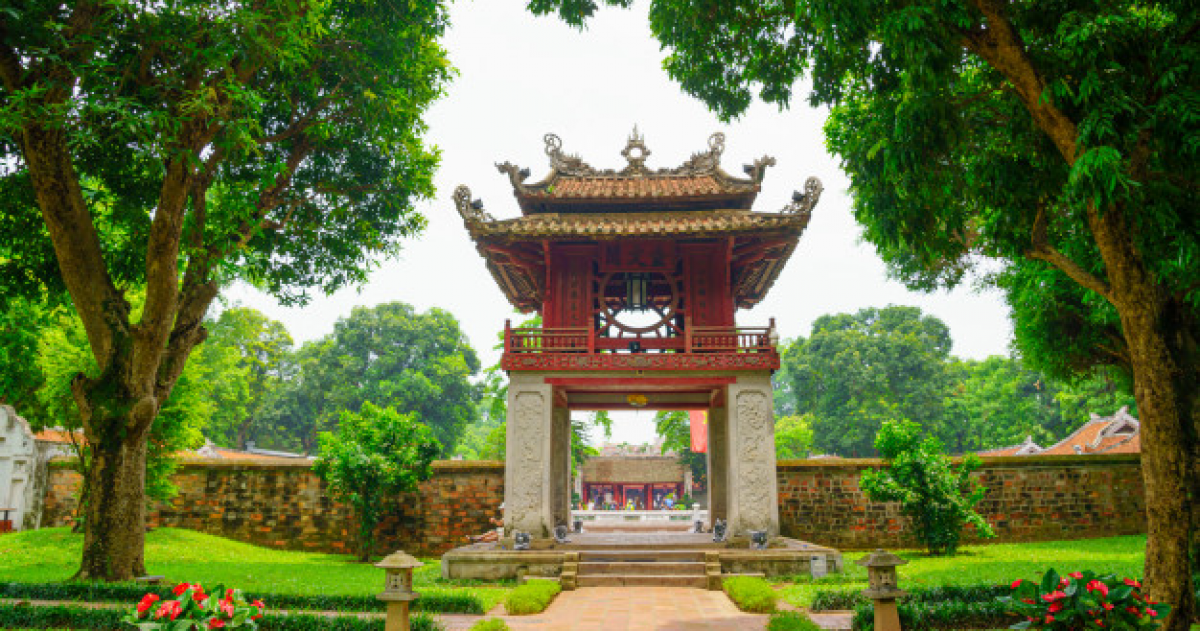
No visit to the Temple of Literature is complete without seeing the famous Khue Van Cac Pavilion.
Built in 1805, this elegant red pavilion has become one of Hanoi's most recognizable symbols.
Its circular windows represent the sun and the light of knowledge, reflecting the importance of education in Vietnamese culture.
Today, Khue Van Cac appears on many publications, tourism materials, and even serves as an official symbol of Hanoi.

3. The Doctor's Stelae
One of the most fascinating areas of the complex is the courtyard containing the Doctor's Stelae.
These 82 stone tablets sit on the backs of stone turtles and record the names of successful scholars who passed the royal examinations between the 15th and 18th centuries. The collection has been recognized by UNESCO as part of the Memory of the World Programme due to its historical significance.
The turtles symbolize wisdom, longevity, and perseverance—qualities highly valued in Vietnamese education.

4. The Main Sanctuary
At the heart of the complex lies the main temple dedicated to Confucius and his disciples.
The atmosphere here is peaceful and respectful. Red lacquered doors, traditional altars, and the scent of incense create a space for reflection and appreciation. This area provides insight into the influence of Confucian philosophy on Vietnamese society and education for centuries.
5. The Imperial Academy
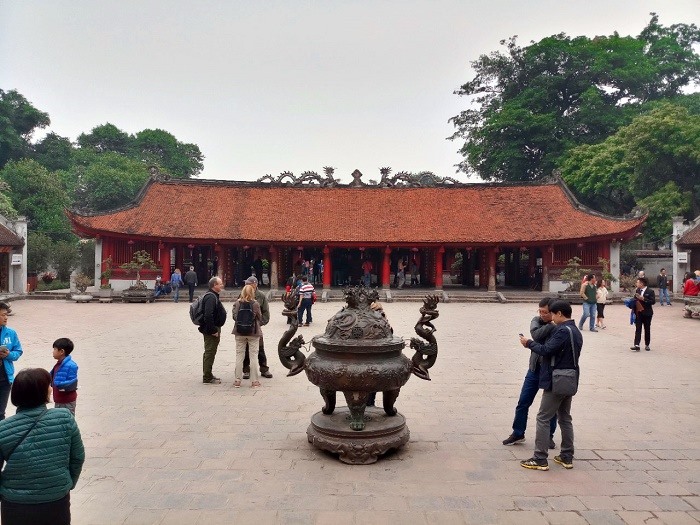
The final courtyard contains reconstructed buildings representing the original Imperial Academy.
Visitors can learn about the educational system of ancient Vietnam and discover how students lived and studied during the country's imperial era.
Exhibitions and cultural displays are often hosted here, making each visit slightly different.
Best Time to Visit the Temple of Literature
The best time to visit is early in the morning, especially before 10 AM.
During these hours, temperatures are cooler, crowds are smaller, and the soft morning light creates excellent conditions for photography.
Spring (February to April) and autumn (September to November) are particularly pleasant seasons to explore Hanoi's outdoor attractions.
If possible, avoid visiting during midday in the summer when temperatures can become quite high.
Visitor Information
Location
58 Quoc Tu Giam Street, Dong Da District, Hanoi
Opening Hours
- Summer: 7:30 AM – 5:30 PM
- Winter: 8:00 AM – 5:00 PM
Entrance Fee
- Adults: approximately 70,000 VND
- Students: discounted rates available
- Children under certain age requirements may enter free of charge
Please check official sources before visiting, as opening hours and ticket prices may change.
How to Get There
The Temple of Literature is located close to Hanoi's historical center and is easily accessible by:
- Taxi or ride-hailing services
- Public buses
- Bicycle
- Motorbike
- Walking from nearby attractions
If you're staying at Juminium Homestay in Ba Dinh District, the Temple of Literature is only a short walk away, making it an easy addition to your Hanoi itinerary alongside the Imperial Citadel of Thang Long, Hanoi Flag Tower, and Ba Dinh Square.
Where to Stay Near the Temple of Literature
Choosing accommodation near Hanoi's historical district allows you to spend less time commuting and more time exploring.
Located in the heart of Ba Dinh District, Juminium Homestay offers convenient access to many of Hanoi's most important cultural landmarks. Guests can easily walk to the Temple of Literature, the Imperial Citadel of Thang Long, Hanoi Flag Tower, and other iconic attractions.
For travelers interested in history, culture, and authentic local experiences, the area provides a quieter atmosphere than the Old Quarter while remaining close to the city's highlights.
Frequently Asked Questions
Is the Temple of Literature worth visiting?
Absolutely. It is one of Hanoi's most significant historical and cultural attractions and offers a unique perspective on Vietnam's educational heritage.
How long should I spend there?
Most visitors spend between 1 and 2 hours exploring the complex.
Is there a dress code?
While there is no strict dress code, respectful clothing is recommended because it is an important cultural and historical site.
Can I take photos?
Yes. Photography is permitted throughout most areas of the complex.