
For many international travelers, Hanoi is known for its bustling Old Quarter, delicious street food, and centuries-old temples. Yet to truly understand Vietnam, there is one place you should not miss: Ba Dinh Square.
More than just a landmark, Ba Dinh Square is considered the political and historical heart of Vietnam. It was here, on September 2, 1945, that President Ho Chi Minh proclaimed Vietnam's Declaration of Independence, marking the birth of the modern Vietnamese nation.
For Vietnamese people, Ba Dinh Square is not simply a tourist attraction. It is a place of national pride, remembrance, and unity. Every year, important national ceremonies are held here, while thousands of visitors come to pay their respects and learn more about the country's history.
Today, the square remains one of the most significant places to visit in Hanoi. Surrounded by iconic landmarks including the Ho Chi Minh Mausoleum, the Presidential Palace, the Ho Chi Minh Museum, One Pillar Pagoda, and the Imperial Citadel of Thang Long, it offers visitors a unique opportunity to explore both the historical and cultural foundations of Vietnam.
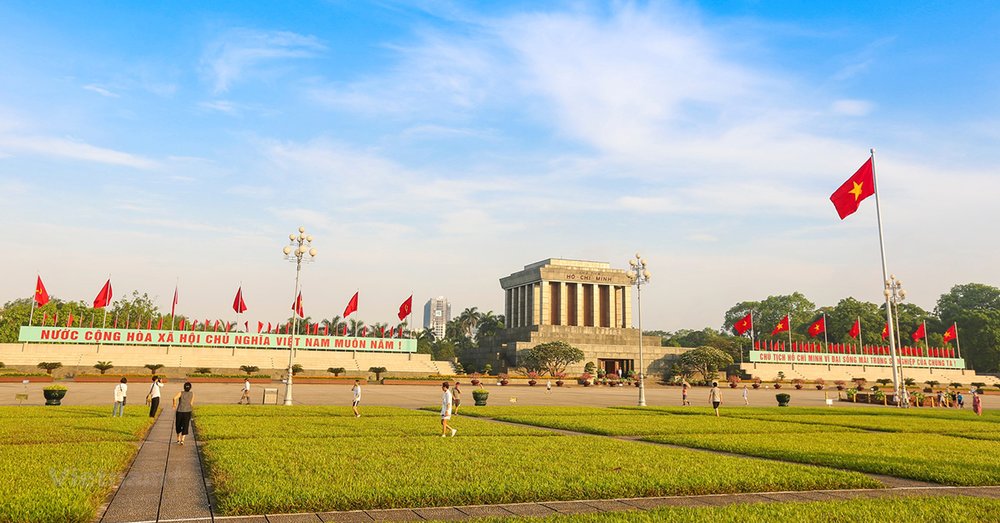
Where is Ba Dinh Square?
Ba Dinh Square is located on Hung Vuong Street in Ba Dinh District, one of Hanoi's most important administrative and cultural areas.
The square is open daily and free to visit. Early morning and late afternoon are often considered the best times to explore the area, when the weather is cooler and local residents gather nearby for exercise and leisure activities.
Visiting Ba Dinh Square offers more than a photo opportunity. It provides a deeper understanding of the events, people, and values that shaped modern Vietnam.
The Story Behind Ba Dinh Square
The area that is now Ba Dinh Square has witnessed centuries of change.
During the Nguyen Dynasty, this location formed part of the western section of the ancient Hanoi Citadel. During the French colonial period, the area was transformed into a civic center surrounded by administrative buildings and landscaped gardens.
The name "Ba Dinh" was chosen to honor the Ba Dinh Uprising, a resistance movement against French colonial rule in the late nineteenth century. This connection reflects the square's long association with patriotism and national identity.
Its most defining moment came on September 2, 1945, when hundreds of thousands of people gathered to hear Ho Chi Minh read the Declaration of Independence. For many Vietnamese families, this event remains one of the most important milestones in the nation's history.
Walking across the square today, visitors can still sense the significance of that moment and understand why Ba Dinh continues to hold a special place in the hearts of Vietnamese people.
What to Visit Around Ba Dinh Square
One of the advantages of visiting Ba Dinh Square is that many of Hanoi's most important attractions are within walking distance.
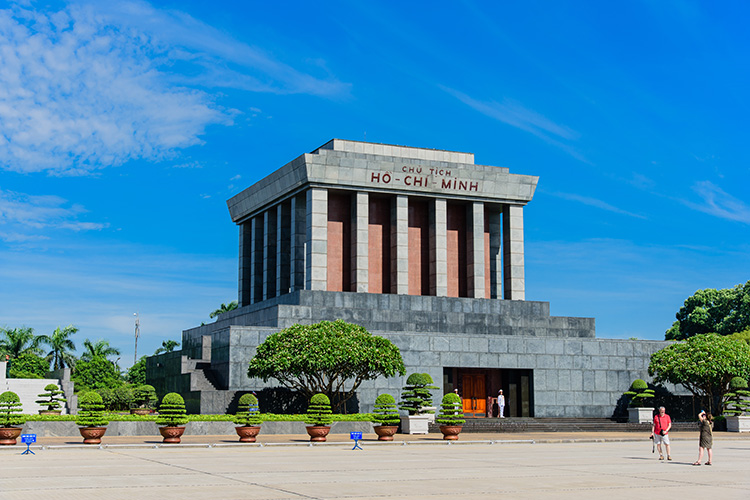
1. Ho Chi Minh Mausoleum
The Ho Chi Minh Mausoleum is the final resting place of President Ho Chi Minh, one of the most influential figures in Vietnamese history.
Every morning, visitors line up quietly to pay their respects. For many Vietnamese families, visiting the mausoleum is not simply sightseeing—it is an expression of gratitude and remembrance.
2. Presidential Palace and Ho Chi Minh's Stilt House
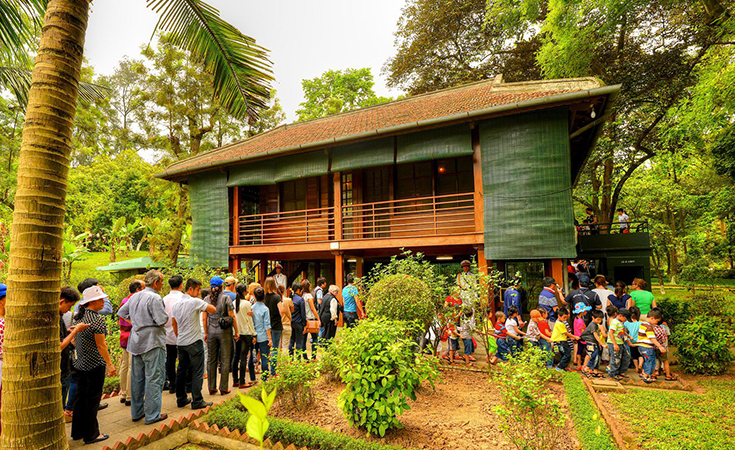
Just behind the mausoleum is the Presidential Palace Historic Site.
While the French colonial palace itself is impressive, many visitors are surprised to discover that Ho Chi Minh chose to live in a modest stilt house rather than the grand residence. The site offers valuable insight into his simple lifestyle and leadership philosophy.
3. One Pillar Pagoda
Built in the eleventh century, One Pillar Pagoda is one of Hanoi's most iconic religious landmarks.
Designed to resemble a lotus flower rising from the water, the pagoda symbolizes purity and spiritual harmony. Despite its small size, it remains one of the most photographed attractions in Hanoi.

4. Imperial Citadel of Thang Long
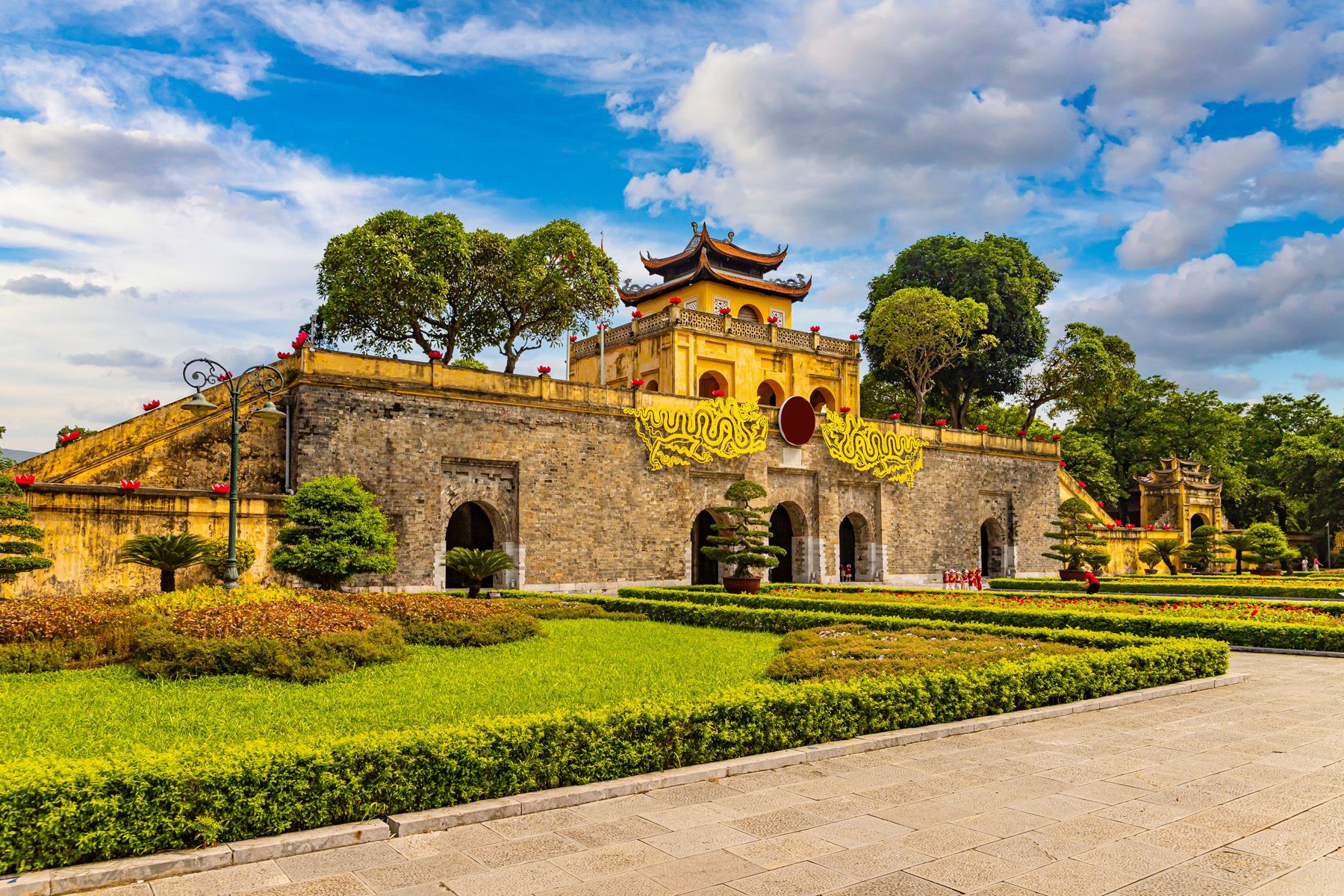
A UNESCO World Heritage Site, the Imperial Citadel of Thang Long tells the story of more than one thousand years of Vietnamese history.
From ancient royal foundations to archaeological discoveries, the site provides an extraordinary glimpse into the development of Hanoi as Vietnam's capital city.
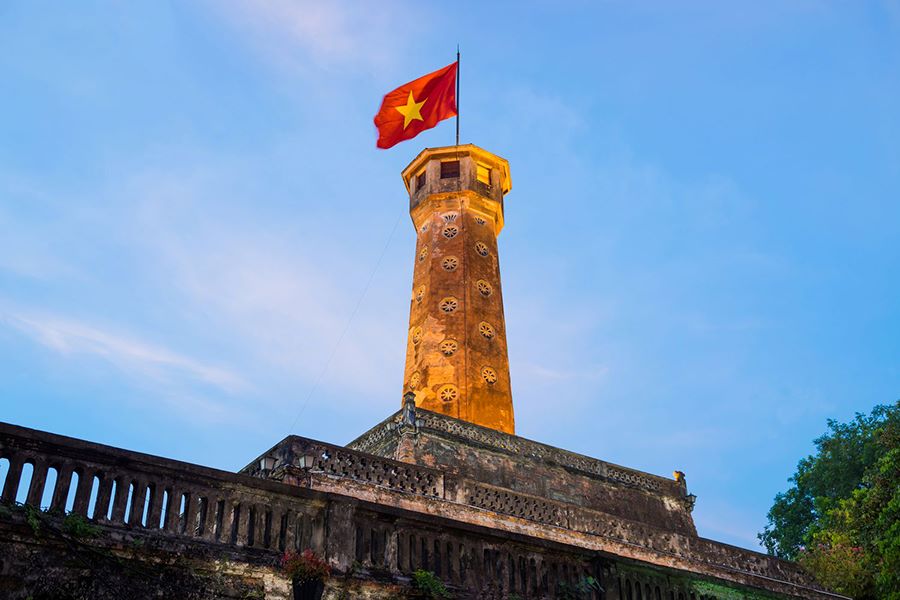
5. Hanoi Flag Tower
Located nearby, Hanoi Flag Tower is one of the few surviving structures from the ancient citadel. It has become a symbol of Hanoi and offers visitors another perspective on the city's rich military and cultural heritage.
Best Time to Visit Ba Dinh Square
The best time to visit Ba Dinh Square is early in the morning or late in the afternoon. Morning visits allow you to witness the daily flag-raising ceremony and observe local residents exercising in nearby parks. The cooler temperatures also make walking more enjoyable. In the evening, the area becomes quieter and beautifully illuminated, creating excellent opportunities for photography. If possible, avoid visiting during the hottest hours of the day, especially between noon and 3 PM during summer months.
Where to Stay Near Ba Dinh Square
For travelers who want easy access to Hanoi's most important historical attractions, staying near Ba Dinh District is an excellent choice.
Juminium Homestay offers a convenient location within reach of Ba Dinh Square, the Ho Chi Minh Mausoleum, Hanoi Flag Tower, the Imperial Citadel of Thang Long, and the Temple of Literature. This allows guests to explore Hanoi's cultural heritage while enjoying a quieter and more local atmosphere compared to the busier tourist areas around the Old Quarter.
For visitors interested in history, culture, and authentic local experiences, Ba Dinh District provides one of the most rewarding places to stay in Hanoi. Ba Dinh Square is much more than a stop on a sightseeing itinerary. It is a place where visitors can better understand Vietnam's journey, values, and national identity.
Whether you are interested in history, architecture, photography, or simply learning about local culture, a visit to Ba Dinh Square offers one of the most meaningful experiences in Hanoi.
Frequently Asked Questions About Ba Dinh Square
Is Ba Dinh Square free to visit?
Yes. Visitors can enter Ba Dinh Square free of charge throughout the year.
How long should I spend at Ba Dinh Square?
Most visitors spend between 2 and 4 hours exploring Ba Dinh Square and nearby attractions such as the Ho Chi Minh Mausoleum, One Pillar Pagoda, and the Imperial Citadel of Thang Long.
What should I wear when visiting the Ho Chi Minh Mausoleum?
Visitors should dress respectfully. Shorts, sleeveless shirts, and revealing clothing are not permitted inside the mausoleum.